
Race against time
Cardiac arrest and cardiogenic shock


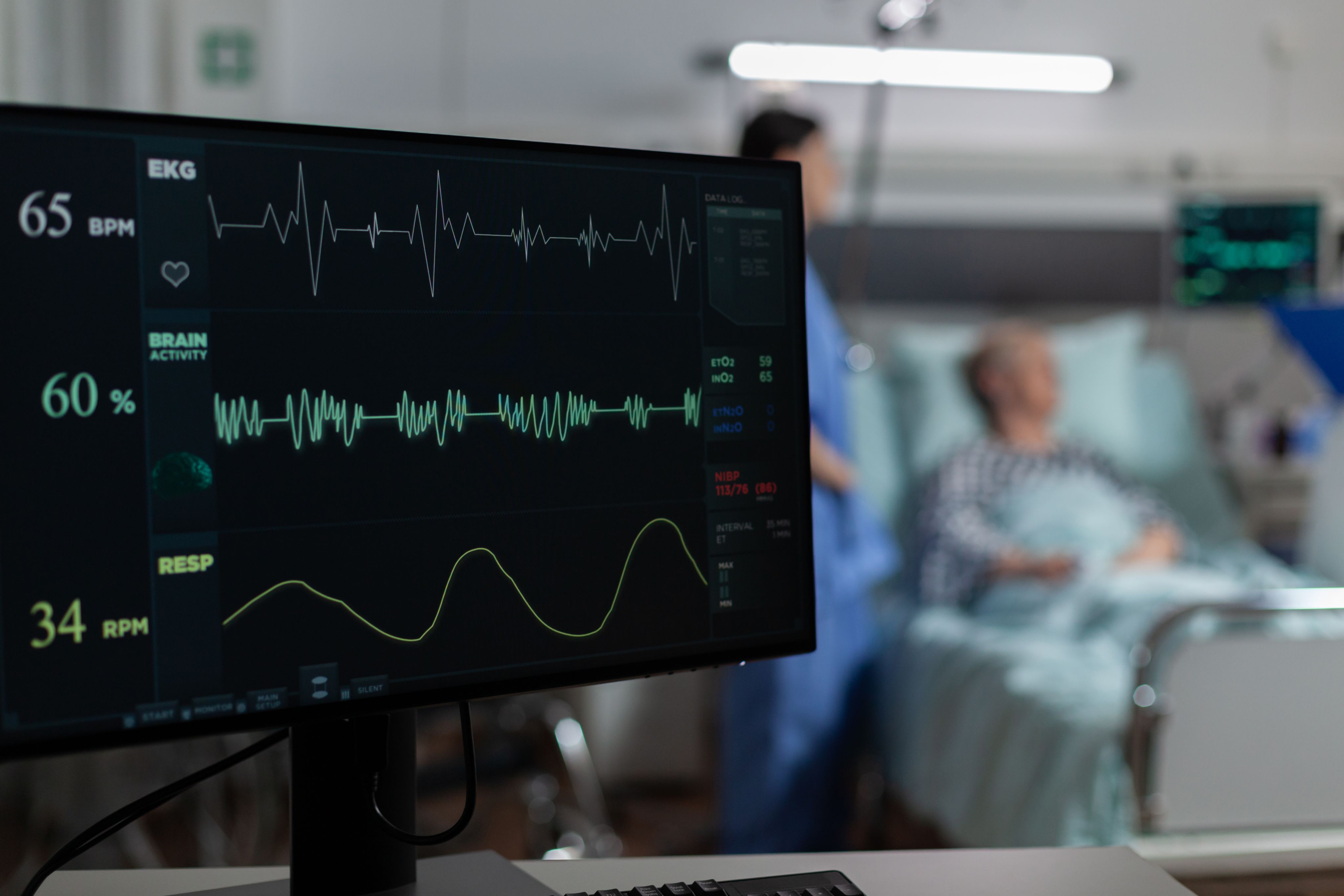
A patient with out-of-hospital cardiac arrest is rushed into the emergency department. The team is already in place: perfusionists, anesthesiologists, and an interventional cardiologist. Within minutes of the decision, the cannulas are inserted, and the artificial heart-lung machine takes over circulation. This is ECPR — extracorporeal cardiopulmonary resuscitation — in which the patient is immediately connected to VA-ECMO, a device that temporarily replaces the heart and lungs' functions.
Dozens of kilometers away, at the University Clinical Hospital in Wroclaw, another on-call team receives an urgent call from a regional cardiology unit: a patient in cardiogenic shock, unstable despite maximal pharmacotherapy. In response, the Shock Team is activated—a multidisciplinary team working within a hub-and-spoke model, prepared to assess, transfer, and initiate mechanical circulatory support, and, if necessary, proceed to heart transplantation or long-term ventricular assist: two scenarios, one philosophy—time, decision, and teamwork.
What really kills after ECPR
A decade-long study by Prof. Jan Belohlávek’s team from Charles University and the General University Hospital in Prague (2012–2023) examined mechanisms and causes of death following ECPR in patients with refractory out-of-hospital cardiac arrest. Among 210 patients treated with this method, more than 72% died in the hospital. Contrary to the common belief that neurological damage is the dominant cause, the leading cause of death was refractory shock — a condition in which the heart, despite maximal pharmacological and mechanical support, cannot sustain perfusion sufficient to nourish vital organs.
This irreversible circulatory failure accounted for nearly half of all deaths, while the other half resulted from severe neurological injury. Only about 5% of deaths were due to recurrent cardiac arrest, and none were respiratory in origin — since ECMO effectively substitutes gas exchange.
— The analysis showed that the most common cause of death after ECPR remains refractory shock rather than neurological injury, as has often been assumed. This is the first publication to show—within a randomized population—the causes of death in the ECPR group. These patients differ from those after cardiac arrest with ROSC (return of spontaneous circulation), typically similar to TTM populations. ROSC patients are hemodynamically more stable—they can maintain their own circulation—and may survive long enough to develop brain injury/brain death, which then becomes the cause of death. By contrast, ECPR patients, who experience much longer ischemia/reperfusion periods (typically 60 minutes with ECPR vs. 25 minutes with ROSC), present with fulminant, refractory shock in which none of the available measures can maintain circulation. The picture resembles severe postcardiotomy vasoplegia, but is accompanied to a great extent by severe DIC, ‘shock gut,’ and generalized multiple organ failure with endothelial dysfunction, loss of the ability to retain fluid within the vascular compartment, volume dependency, and capillary leak syndrome. ECPR patients are simply completely different from the typical post–cardiac arrest population; it remains a mystery why 30–40% of them do not enter this destructive state and survive - notes Prof. Jan Belohlávek.
The most alarming finding concerned the first days after resuscitation: 60% of patients died within 72 hours, most of them in the first 24 hours. The leading cause was uncontrolled shock - a critical fall in blood pressure and heart failure leading to multi-organ hypoxia. This shifts the focus of post-arrest care. For years, neuroprotection and temperature management were considered the priority; today's data show that the first enemy remains severe heart failure. Without adequate hemodynamic support, neuroprotection cannot even begin.
— More than half of the patients die within the first 72 hours. How can we improve survival? That’s a difficult question. An hour of resuscitation is an extreme insult at organ and cellular levels. Many subcellular processes are initiated that are deleterious to organ function and virtually incompatible with sustained survival. Therefore, I still believe in hypothermia and, more generally, in interventions that slow cellular processes, enabling recovery of micro- and macrocirculation. This is an enormous challenge for future research - adds Prof. Belohlávek.
The future of ECPR, therefore, lies not only in better brain monitoring but in integrating shock management: restoring coronary blood flow, modulating post-resuscitation inflammation, and optimizing fluid therapy. It is a race against minutes - the longer the shock lasts, the smaller the chance of saving not just the heart, but the whole organism.

Podcast: Race against time
Click here to listen!
The Polish response: Shock Team
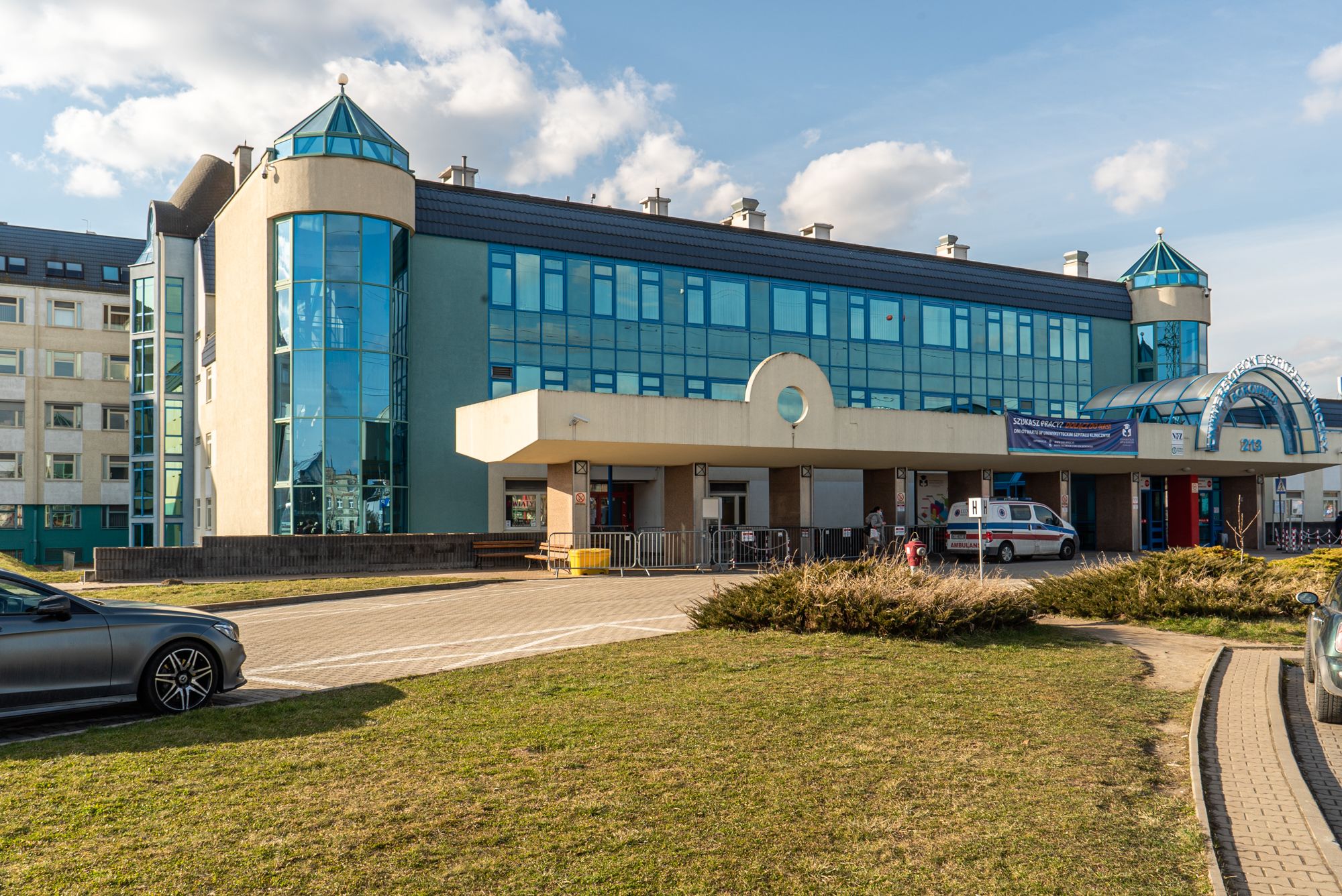
A similar philosophy drives the team at Wrocław Medical University. The study by Assoc. Wiktor Kuliczkowski, MD, PhD, from the Institute of Heart Diseases, published in the Polish Heart Journal (2025) and described Poland's first fully structured Shock Team model. The 24/7 multidisciplinary team at the University Clinical Hospital in Wrocław includes interventional cardiologists, cardiac surgeons, anesthesiologists, and intensivists.
The goal is not merely to implant a device, but to organize a process: rapid qualification, early initiation of mechanical circulatory support (MCS), and — when needed — a pathway toward LVAD (Left Ventricular Assist Device) implantation or heart transplantation.
"Combining several key elements into one framework allowed us to achieve good outcomes,” says Dr. Kuliczkowski. "Standardized protocols ensured that all team members spoke the same language and understood each other instantly. We accumulated and refined clinical experience as the project progressed. After two years, the effect was apparent: a significant drop in mortality. The coordination of the hub-and-spoke network proved crucial for patients transferred from other centers, now over one-third of our cases."
Over three years, the team analyzed 257 patients with cardiogenic shock (median age 69; 69% male). As many as 39% required MCS. The results were striking: in-hospital mortality fell from 75.3% to 44.1%, and in the subgroup supported mechanically, from 75% to 29.4%. Notably, the use rate of MCS devices remained similar - what changed was the timing and quality of decision-making.
"Experience has taught us that MCS should be implemented as early as possible, at the very onset of shock, before other organs begin to fail" - explains Dr. Kuliczkowski. “We also know that not every patient benefits from MCS - which is why team discussion is essential to decide whether it’s too late or whether conservative therapy still suffices."
A multivariate analysis showed that MCS and access to HTx/LVAD therapy significantly improved survival, while older age and the need for renal replacement therapy worsened prognosis. The hub-and-spoke model - collaboration between a leading “hub” and smaller “spoke” hospitals — brought impressive results: mortality among transferred patients dropped from 78.6% to 31.8%.
"The key challenges in developing such teams in Poland" - notes Dr. Kuliczkowski "Include education on shock management, building readiness for teamwork, and maintaining collaboration between specialists: cardiologists, anesthesiologists, and cardiac surgeons. It’s an ongoing process that requires both clear protocols and good communication."
Standardization efforts are already underway: the Polish Cardiac Society has proposed a National Cardiogenic Shock Treatment Program to unify care and define principles for Shock Team operation across the country. It proves that systemic organization — not just technology — saves lives.

Two lessons, one direction
Comparing the results from Prague and Wrocław reveals two lessons for modern emergency medicine.
Lesson 1 — the fight for hemodynamics ECPR data remind us that death still most often results from refractory shock. The answer lies in intensive, coordinated action: early identification of the cause, revascularization, left ventricular unloading during ECMO, and guided vasopressor therapy. Patients who survive the first 72 hours have a realistic chance of neurological recovery.
Lesson 2 — organization as therapy
The Shock Team model proves that structure and communication can dramatically reduce mortality in cardiogenic shock. The key is not the number of devices, but the timing and context of their use — a decision made by a coordinated, protocol-driven, and experienced team.

Limits and questions ahead
Both studies have limitations: they are single-center, partly retrospective, and focus mainly on early outcomes—what happens in the first days or weeks of care.
In ECPR, the fundamental unresolved issue remains: how to effectively control the systemic inflammatory response that develops after circulation is restored. This post-resuscitation "sepsis-like" reaction can lead to multi-organ injury and remains a silent killer of patients who survive cardiac arrest itself.
One thing is clear: the direction. Prague shows what kills, Wrocław shows how to prevent it. ECPR and Shock Team are not competing models but complementary strategies serving one purpose: to shorten the time between cardiac arrest and restored perfusion. It is systemic medicine engineering — from decision to transport, from cannula to transplant.
The race against time continues. The difference is that we now run it with a better map - and a team that knows the way.

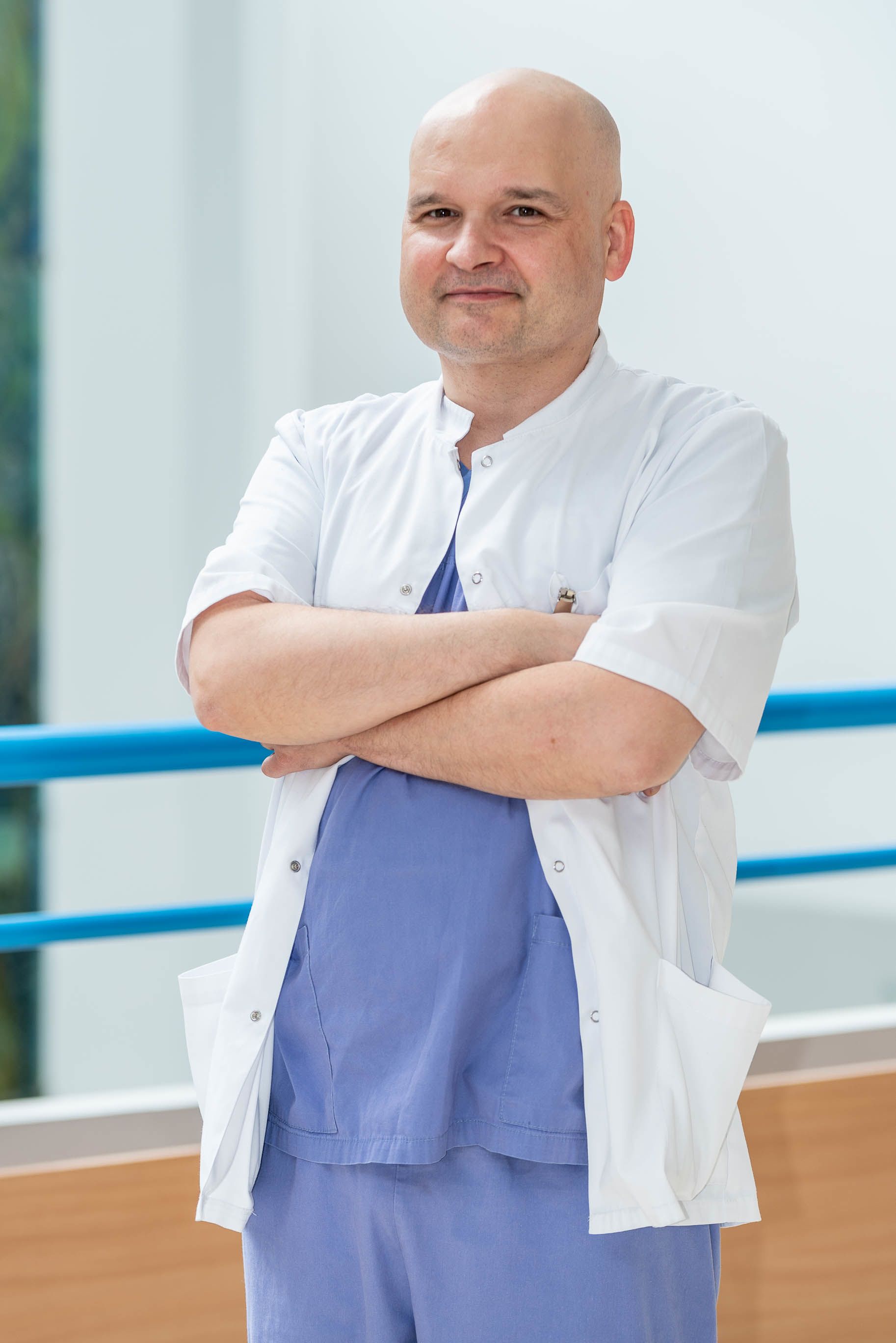
Dr Wiktor Kuliczkowski, Institute of Heart Diseases, Wroclaw Medical University
Dr Wiktor Kuliczkowski, Institute of Heart Diseases, Wroclaw Medical University
D. Sikora

FAQ: Race against time
What is cardiogenic shock?
It is a condition in which the heart fails to pump enough blood to supply organs with oxygen. The cause is low blood pressure; the result is life-threatening multi-organ ischemia. Cardiogenic shock is the most severe complication of myocardial infarction, but it can also occur in myocarditis, arrhythmias, or severe valvular disease.
What is ECPR, and when is it used?
ECPR (Extracorporeal Cardiopulmonary Resuscitation) is an advanced resuscitation technique in which, after cardiac arrest, if standard CPR fails, the patient is connected to ECMO — an artificial heart-lung system that temporarily replaces both organs. It is used for selected patients with refractory cardiac arrest, mainly in large academic centers.
What does this mean for clinical practice?
The Prague data shift focus from exclusive neuroprotection to hemodynamic stabilization — rapid restoration of circulation, control of inflammation, and prevention of organ failure. It changes post-arrest care priorities.
What were the outcomes of the Wroclaw Shock Team study?
Over 257 patients (2021–2023), mortality fell from 75% to 44% and, in mechanically supported cases, to 29%. The number of MCS devices used did not increase — what changed was timing and patient selection.
How does Dr. Kuliczkowski explain the success?
“Standardized protocols help us speak one language; clinical experience teaches us when to act; and the hub-and-spoke network ensures that patients from smaller hospitals have the same chance as those in major centers,” says Dr. Kuliczkowski. One in three patients now arrives from another hospital — showing that education and coordination are as vital as technology itself.
What does “refractory shock” mean?
It is the most dangerous form of cardiogenic shock — one that does not respond to standard therapy such as vasopressors, fluids, or inotropes. Despite maximal treatment, circulation collapses, and multi-organ failure develops.
What did Prof. Belohlávek’s Prague study reveal?
Analysis of over 200 ECPR patients showed that the leading cause of death is refractory shock, not brain injury, which is responsible for nearly half of all deaths. Over 60% of patients died within 72 hours, mainly due to circulatory failure rather than neurological complications.
What is the Shock Team, and how does it operate in Wroclaw?
It is a 24/7 multidisciplinary team combining interventional cardiology, anesthesiology, cardiac surgery, and intensive care. Its goal is fast diagnosis, selection of mechanical circulatory support (MCS), and decision regarding LVAD implantation or heart transplantation.
Which devices are used in MCS?
Depending on the patient's condition:
• IABP – intra-aortic balloon pump to improve blood flow;
• Impella CP / 5.5 – miniature pumps assisting the left ventricle;
• VA-ECMO – replaces both heart and lung function;
• LVAD – long-term left ventricular assist device, often as a bridge to transplant.
Where is emergency medicine heading?
Both studies show that the future lies in systemic medicine — combining technology, organization, and teamwork. In the Czech Republic, ECPR studies teach how to control shock; in Poland, the Shock Team model proves that structure saves lives. Two models, one message: time and collaboration save lives.
Powered by NotebookLM



This material is based on the articles:
Authors: Wiktor Kuliczkowski, Mikołaj Błaziak, Roman Przybylski, Waldemar Goździk, Michał Zakliczyński, Barbara Barteczko-Grajek, Anna Kupiec, Maciej Bochenek, Grzegorz Bielicki, Piotr Gajewski, Mateusz Garus, Mateusz Sokolski, Robert Zymliński, Wojciech Zimoch, Jan Biegus, Michał Kosowski, Marcin Protasiewicz, Piotr Kübler, Brunon Tomasiewicz, Michał Sroka, Bartosz Balcer, Weronika Wietrzyk, Natalia Dolata, Krzysztof Reczuch, Piotr Ponikowski
Reasons for death in patients receiving ECPR for refractory out-of-hospital cardiac arrest
Authors: Klaudia Farkasovska, Daniel Rob, Marie Dacev, Petra Kavalkova, Jaromir Macoun, Milan Dusík, Jan Pudil, Eliska Mockova, Eva Svobodová, Jan Malík, Anna Valerianova, Jan Belohlavek
Web. A. Maj
Photo:
Tomasz Modrzejewski
Tomasz Walow
Freepik
 Built with Shorthand